K3 | A First Encounter with Opera: Touching Tradition
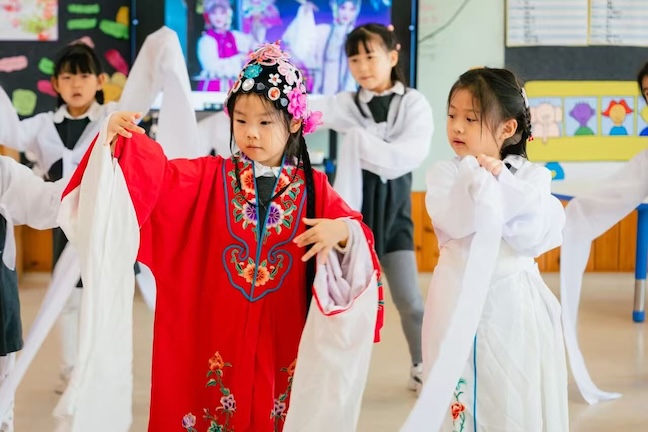
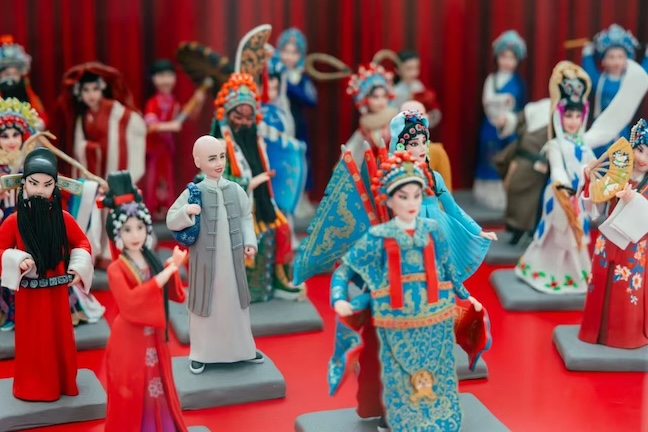
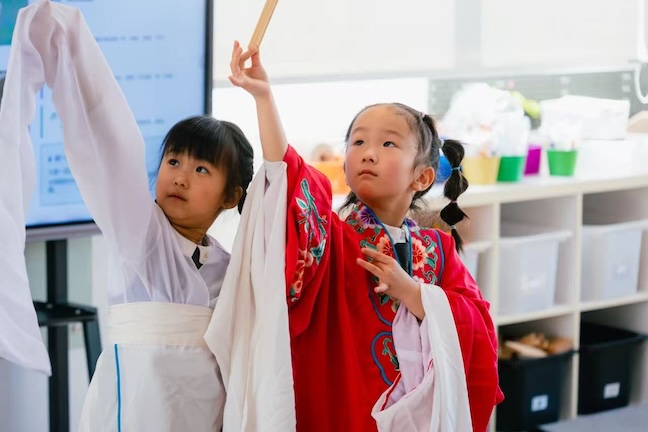
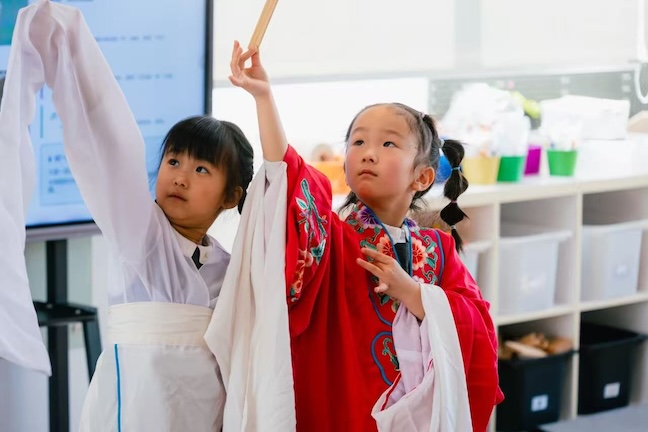
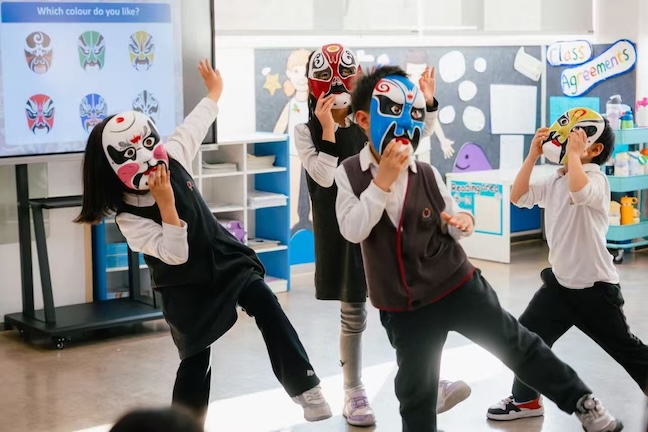
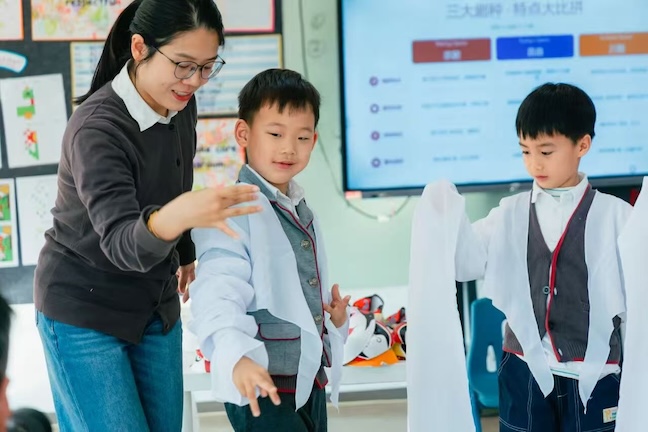
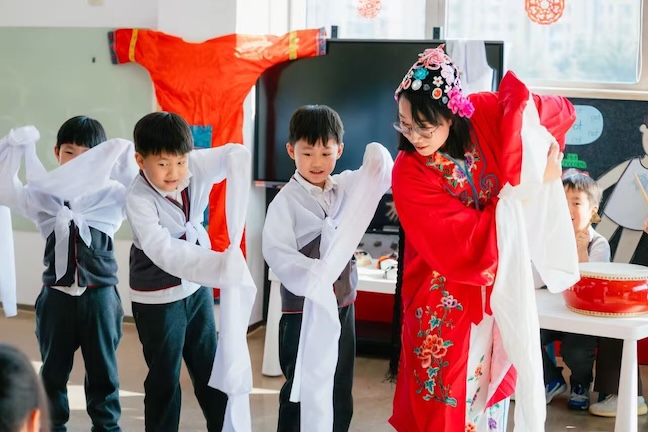
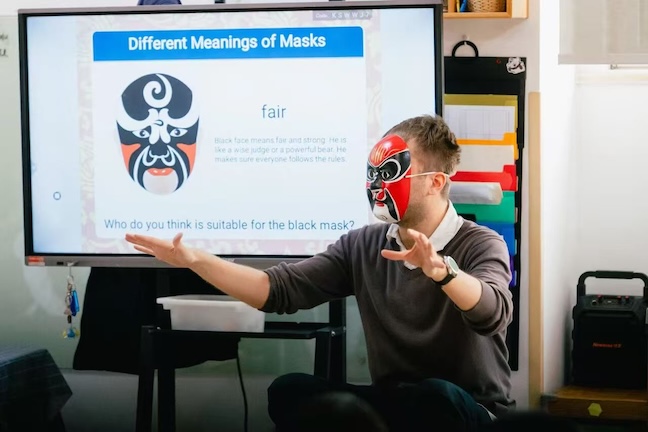
What is Chinese Opera? Our K3 children began their journey by exploring its fundamental elements: facial masks, costumes, and gestures. Teachers guided them to observe how costume colors reflect a character’s personality. By listening to rhythmic arias and imitating classic movements, they formed their very first impressions of this ancient art.
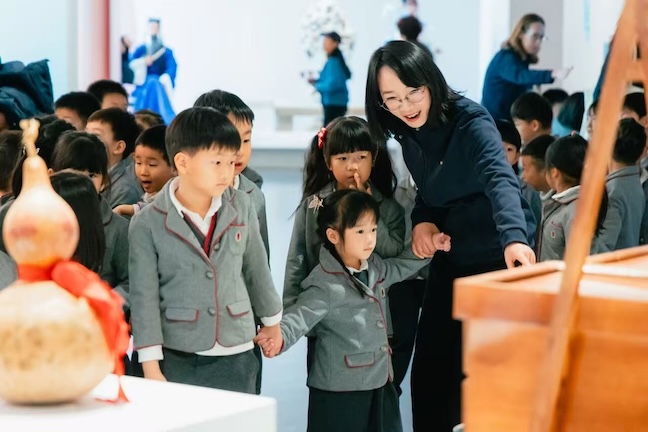
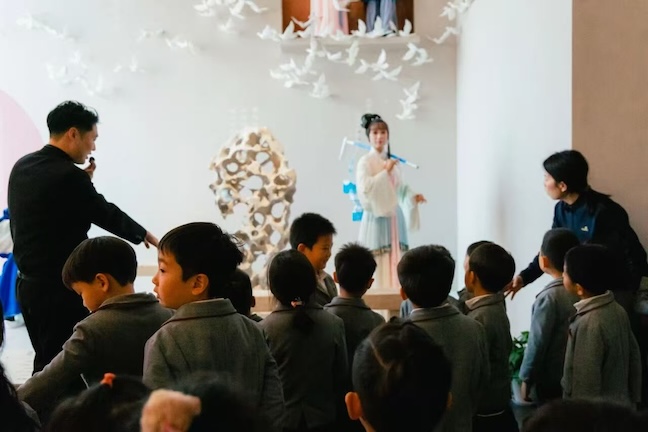
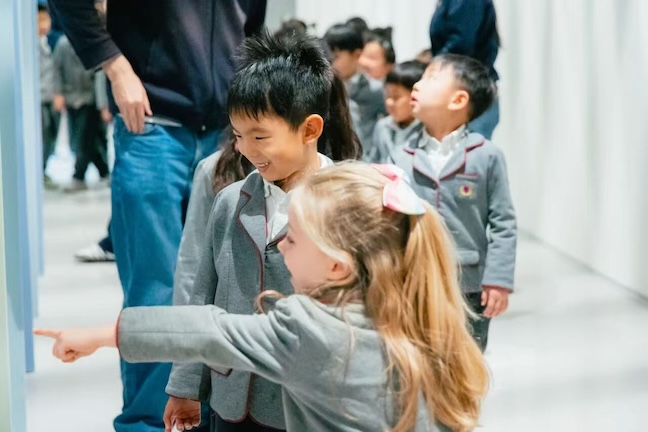
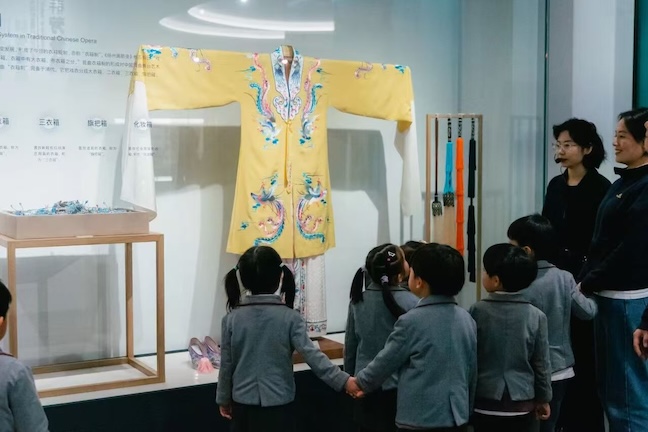
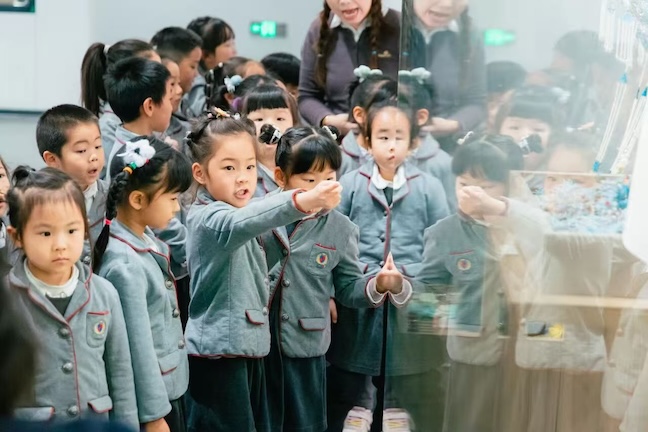
Driven by curiosity, the children visited the Kunshan Museum of Traditional Chinese Opera. Inside this artistic sanctuary, they admired exquisite costumes and props up close while listening to the stories behind the plays. Through observation, inquiry, and interaction, they not only deepened their understanding of opera’s expression but also built a vivid emotional connection with traditional culture through firsthand experience.
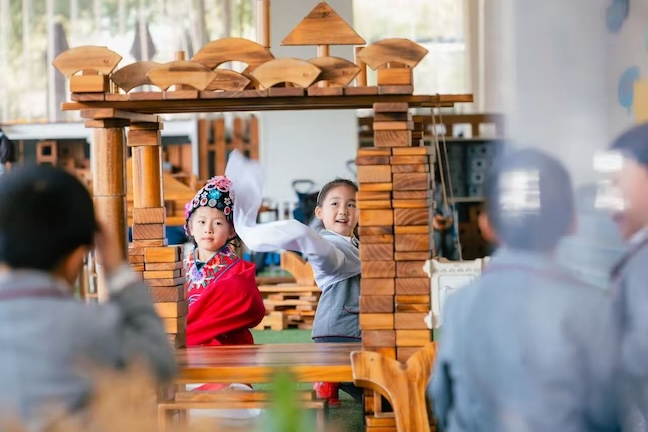
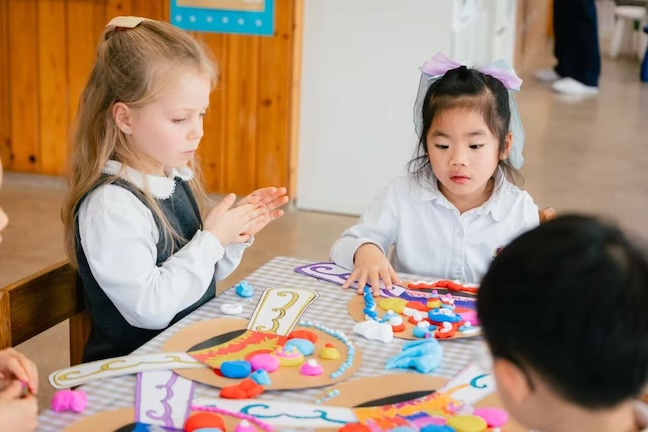
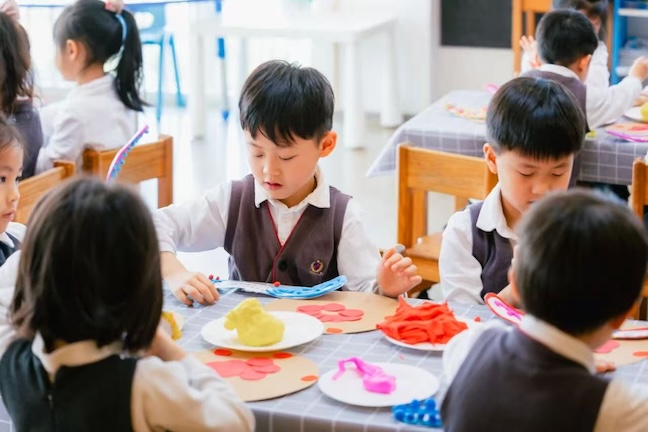
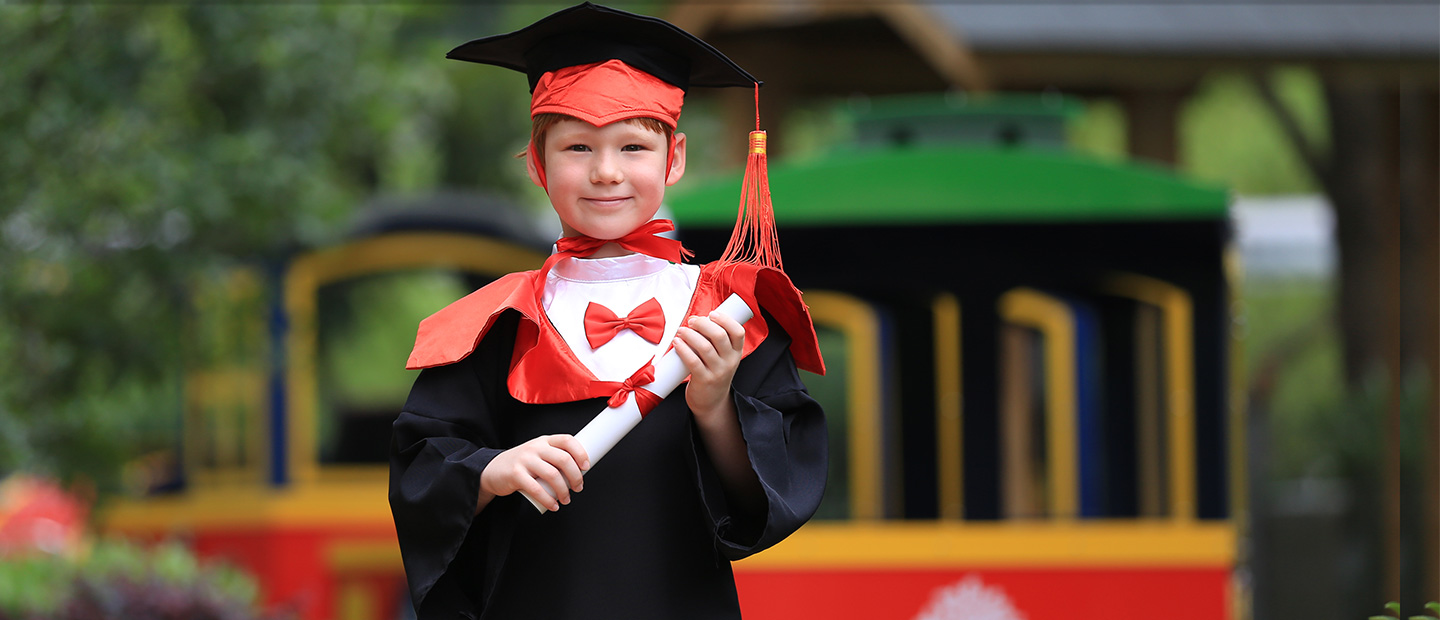
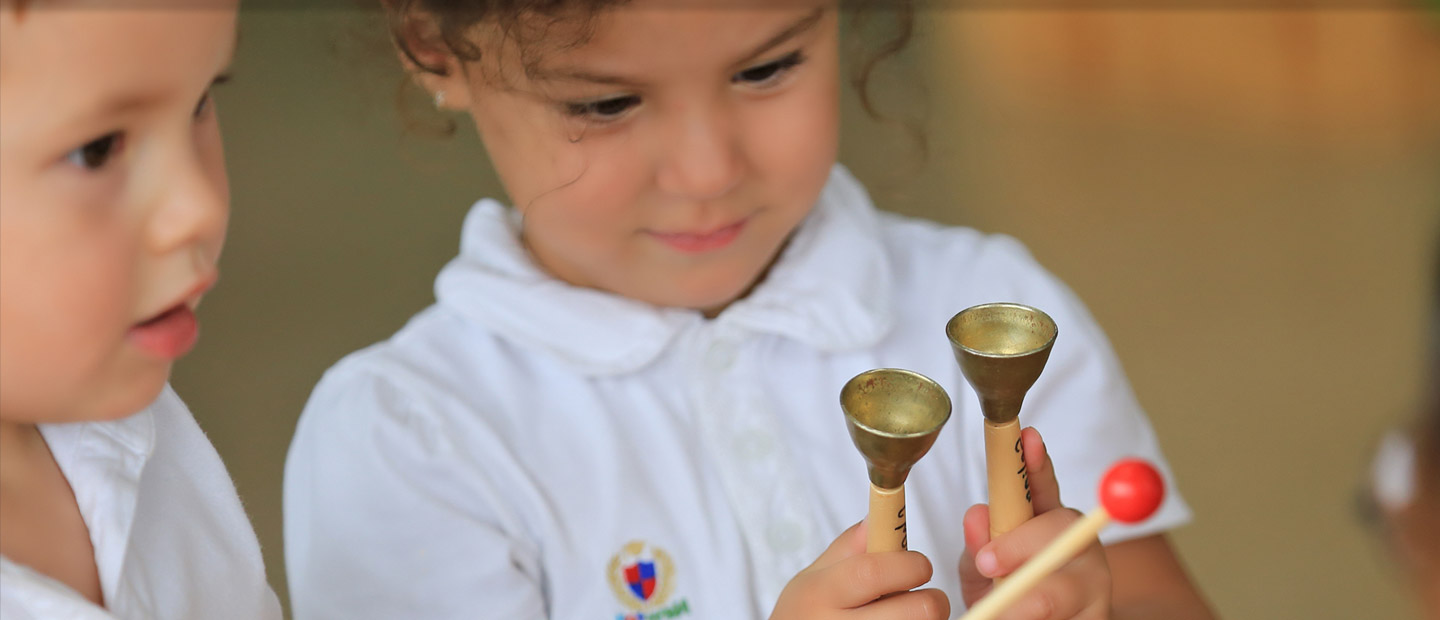
Back at school, the children’s interest continued to flourish. They collaborated to build mini-stages, hand-crafted opera hats, tried on costumes, and attempted their own performances. In this process, they practiced teamwork and fine motor skills while experiencing the "Four Skills" of opera (Singing, Speaking, Acting, and Fighting), feeling the emotion and wisdom behind every art form.
K2 | Exploring the City: Sensing the Pulse of Change
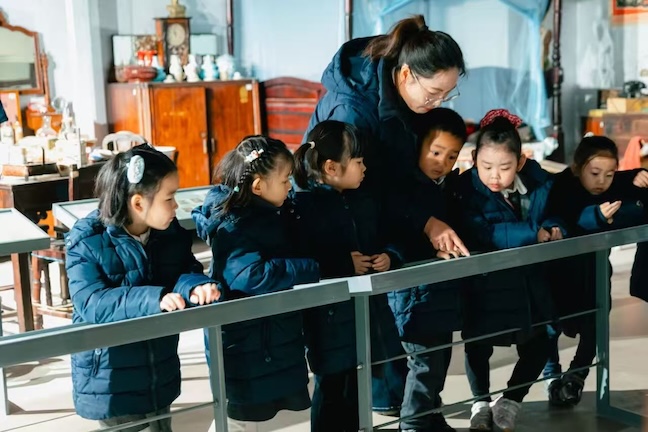
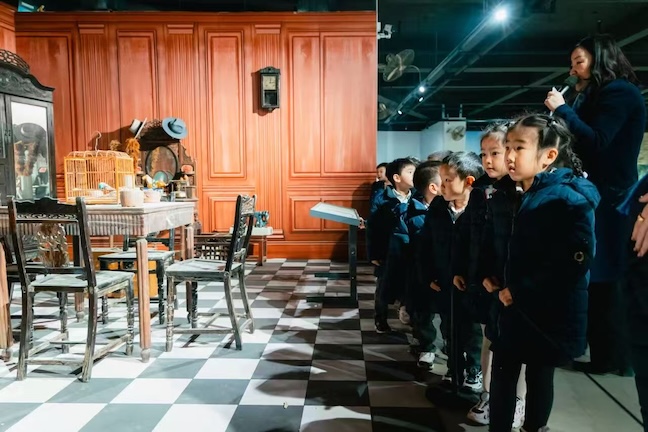
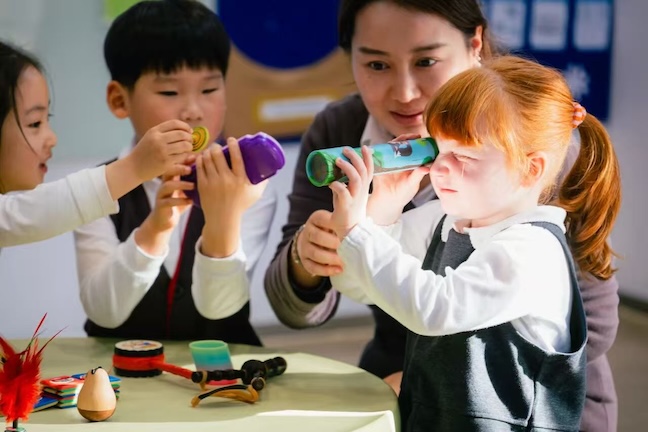
For K2 children, the "city" is a word that is both familiar and mysterious. Living in Suzhou, they may not yet know its past. "Do you have things at home that your grandparents once used?" Starting with this question, children observed photos of vintage objects, touched physical artifacts, and compared them with modern items. Through these discussions, they gained their first perception of "change" and "history."
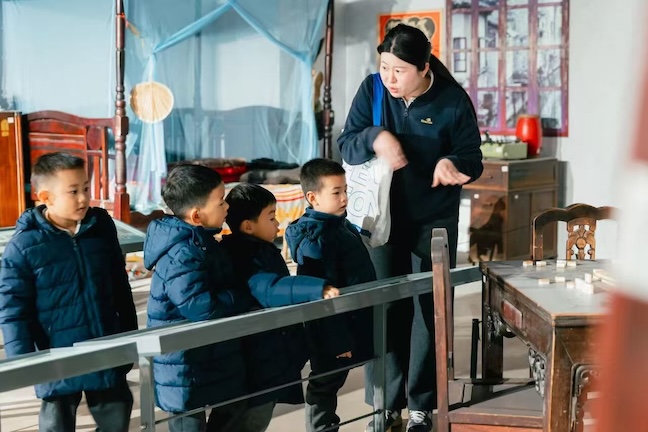
Their exploration then led them to the Jiangnan Folk Customs Museum at Harmony Times Square. Amidst the displays of old-time daily objects and life scenes, the children observed and questioned, bridging the gap between "then" and "now." Stepping out of the museum, they were greeted by modern skyscrapers and bustling streets. This direct visual contrast gave them a concrete understanding of urban evolution.
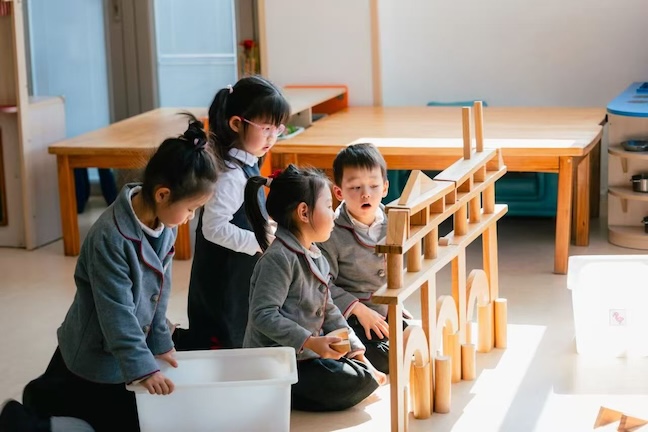
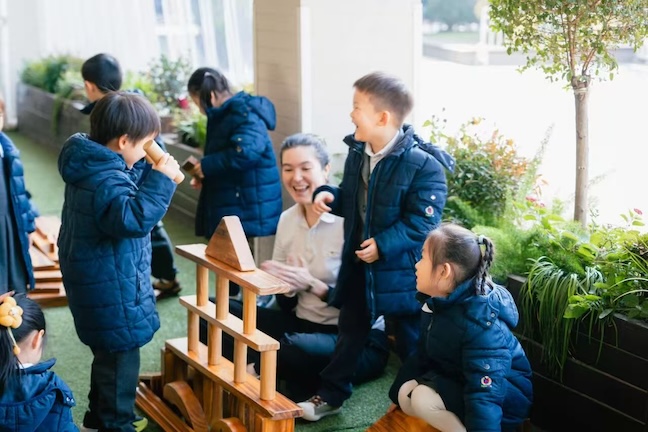
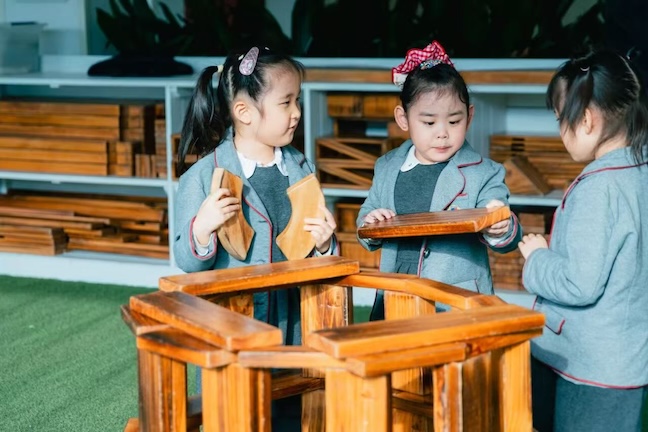
The children used their own words to describe these changes and used blocks to build "old and new houses." Through this walk, city memories transformed into a sense of understanding and belonging for the place they call home.
K1 | Healthy Habits: Starting from a Young Age
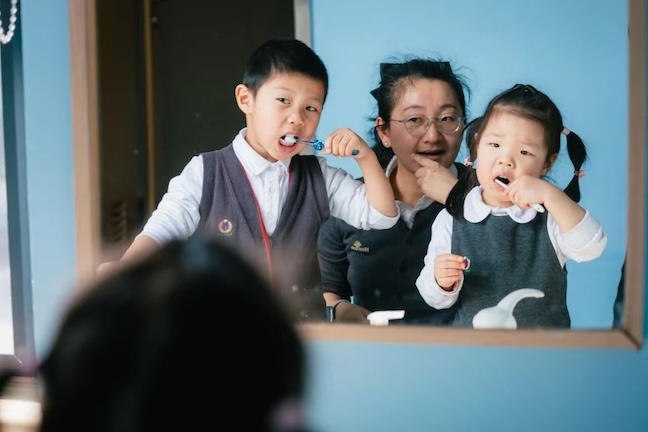
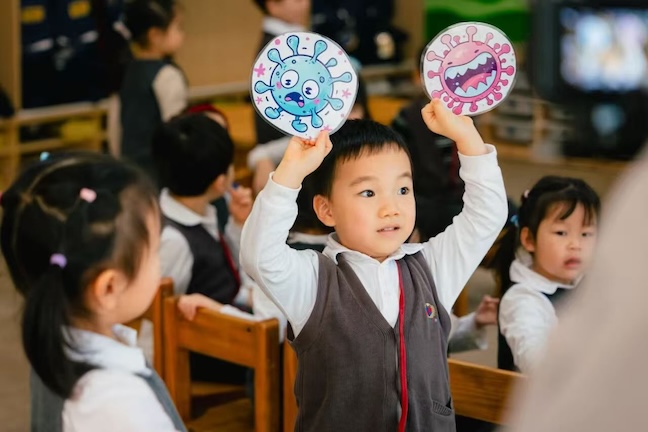
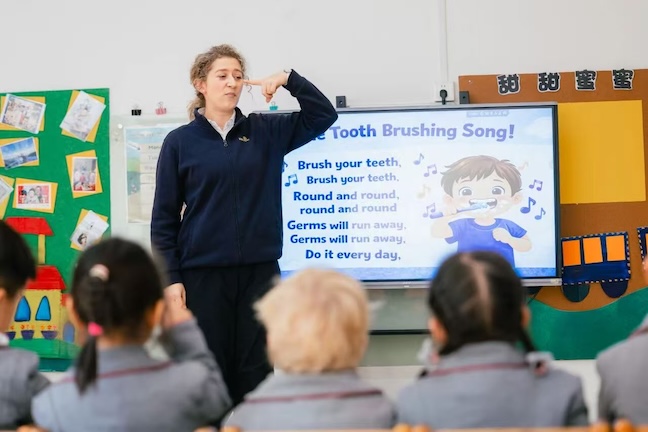
K1 is a critical stage for developing self-care skills. Through situational simulations and interactive nursery rhymes, teachers led the children to learn the correct way to wash hands and brush teeth, helping them understand how these habits protect their health.
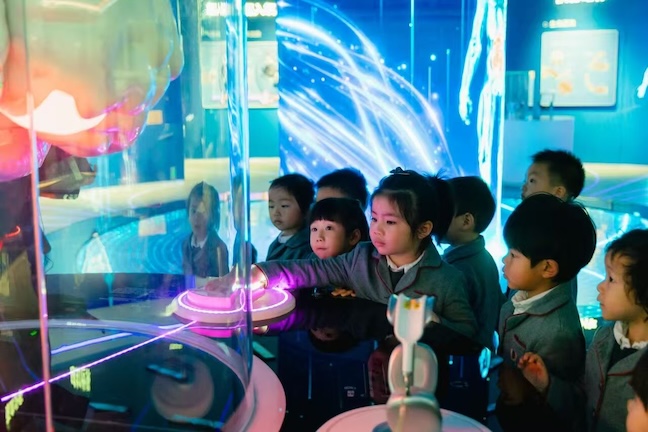
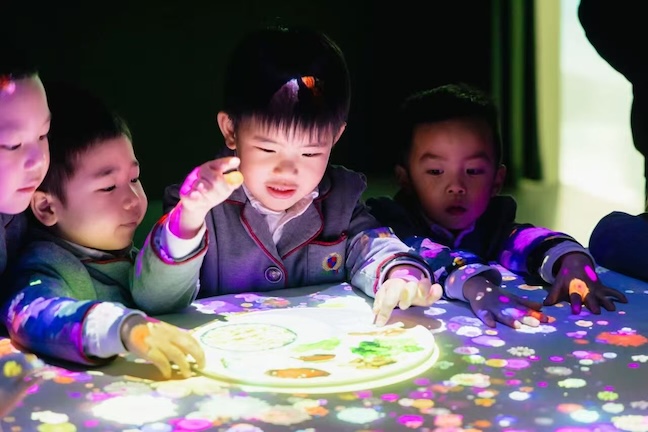
At the Suzhou Health Science Museum, washing hands, brushing teeth, and choosing food were transformed into fun interactive games. Through these hands-on experiences, children realized that maintaining hygiene and choosing healthy food are things they can do themselves—and things to be proud of.
Health education does not end with a single trip. In our daily school routines, teachers continue to guide children in washing their hands diligently and brushing their teeth every morning and evening. These healthy habits are naturally integrated into their lives, forming the foundation of their ability to care for themselves.
Three journeys, three different themes, yet one consistent philosophy: Real life is the best curriculum. By letting children step out into the world, we allow them to build authentic connections with traditional culture, their city, and their own well-being through firsthand experience.
Education is what happens outside the window; growth is what happens on the road. We will continue to accompany our children as they learn through exploration and grow through experience.
Prev:Rolling into Spring
Next:Gather in the Warm Glow ——Newton Christmas Party Review