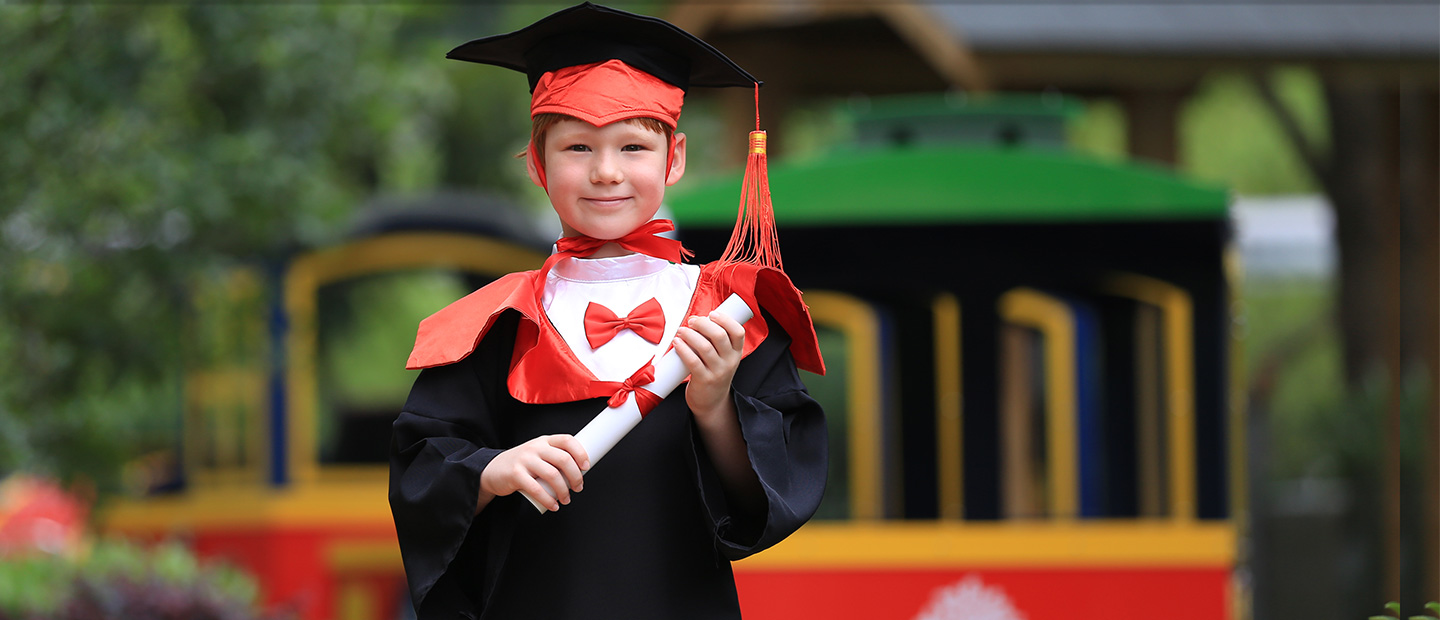
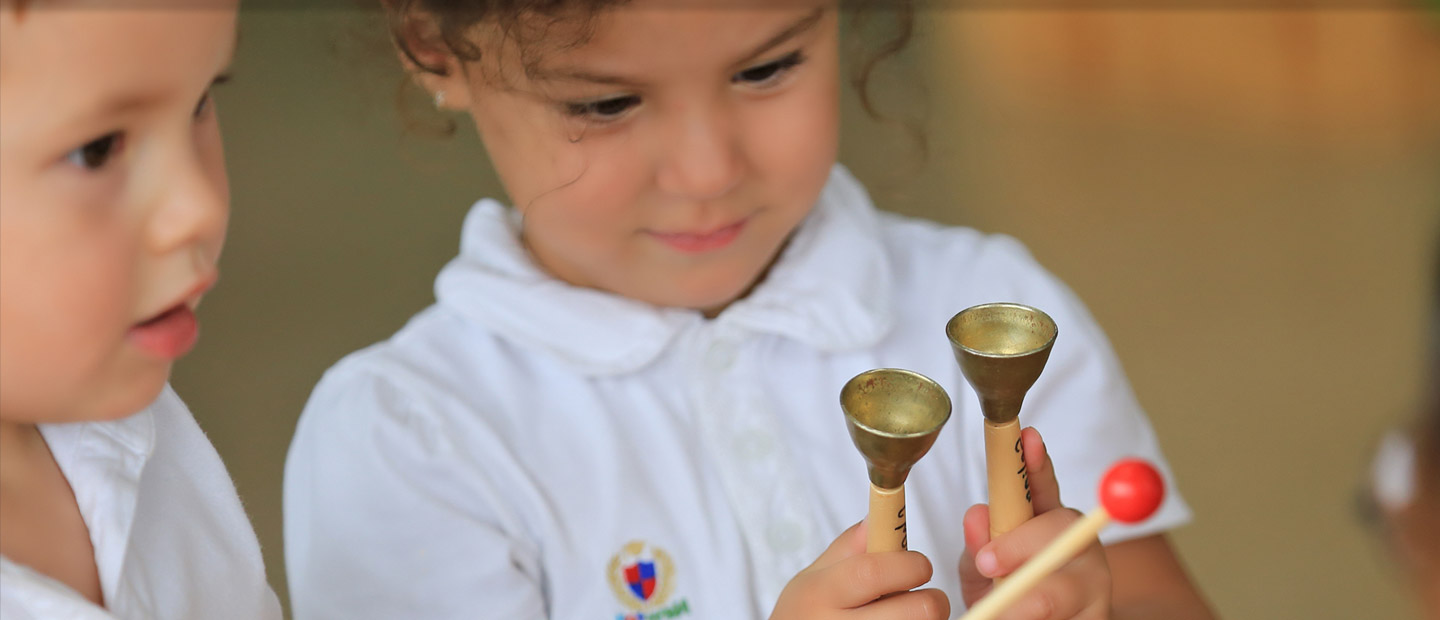
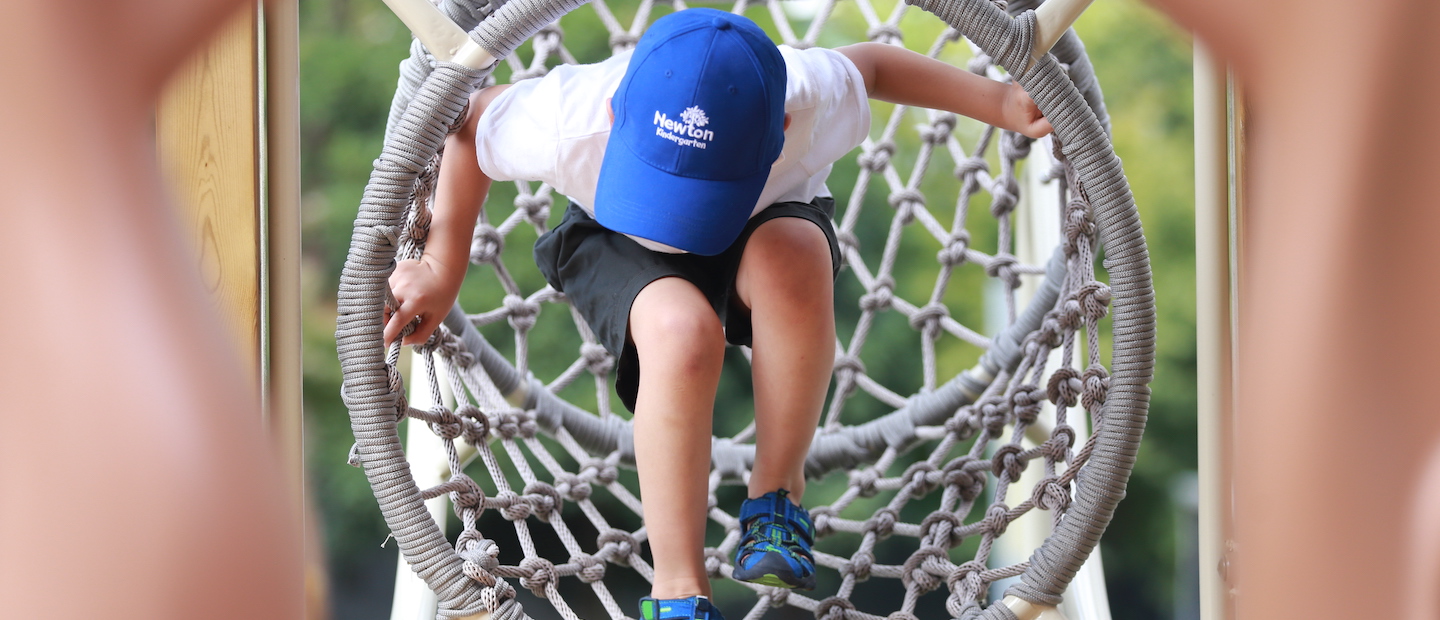
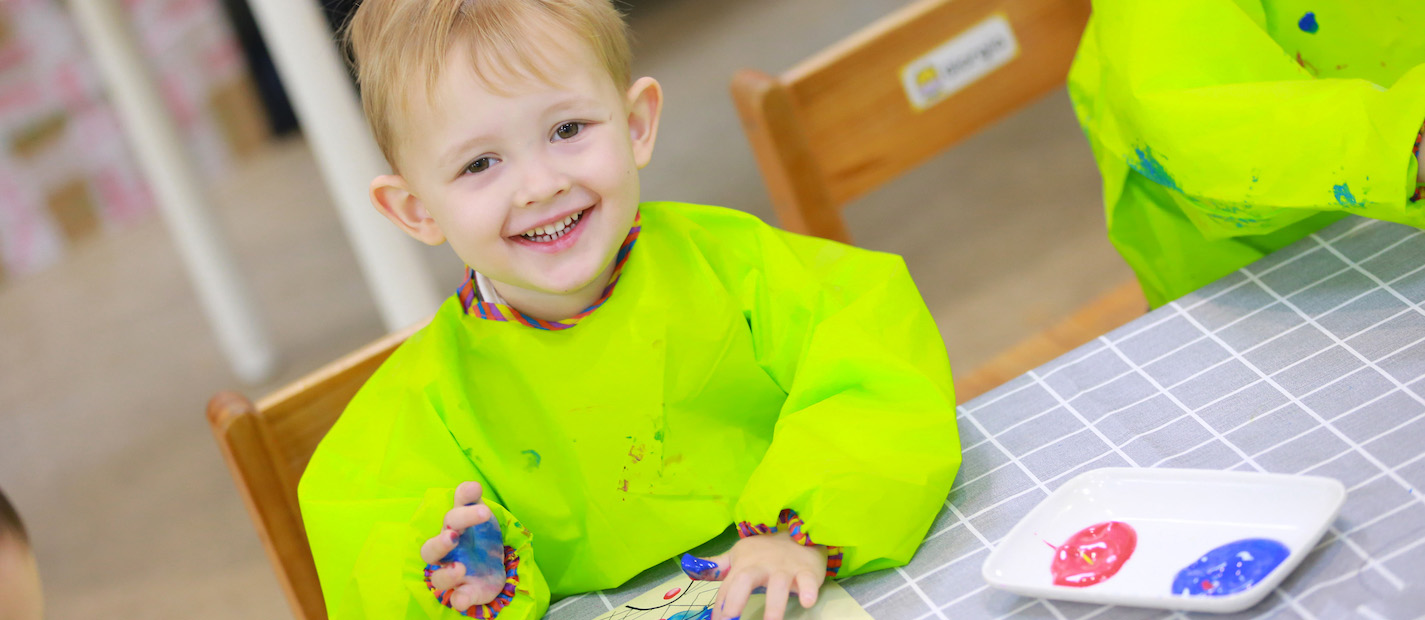
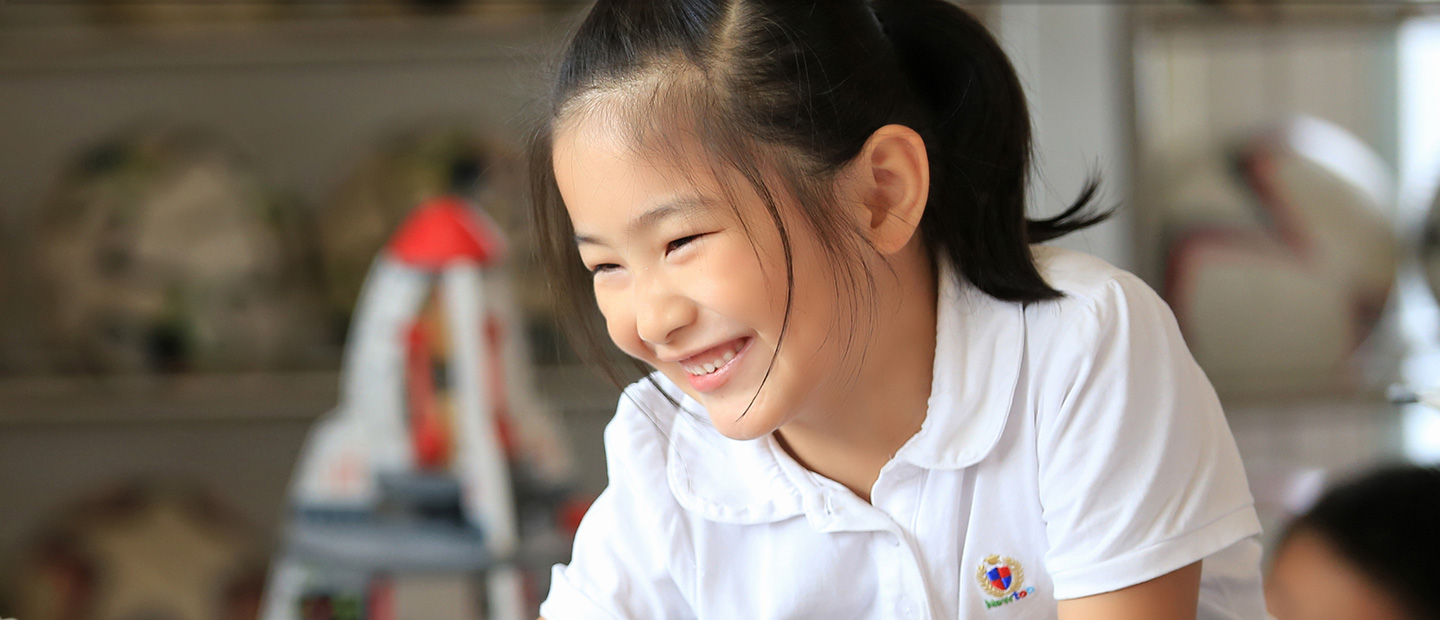
At the K3 English open lesson, parents observed more than just a reading class—they saw the pathway children take toward becoming independent readers. Through a natural blend of storytelling, phonics practice, interactive games, and movement, the lesson created a playful learning environment where children explored words in meaningful ways. Using activities such as word riddles, they practiced spelling, began to notice how words are built, and gradually developed strategies for reading as they actively participated and responded throughout the lesson.
When children are able to blend sounds together to read words and quickly recognize high-frequency sight words, reading moves beyond simply repeating after the teacher. It becomes something they can begin to do on their own. Within the lively pace of the class, children shifted constantly between thinking, moving, and speaking, allowing parents to see that reading ability does not appear suddenly. Instead, it grows step by step through repeated, well-structured practice.
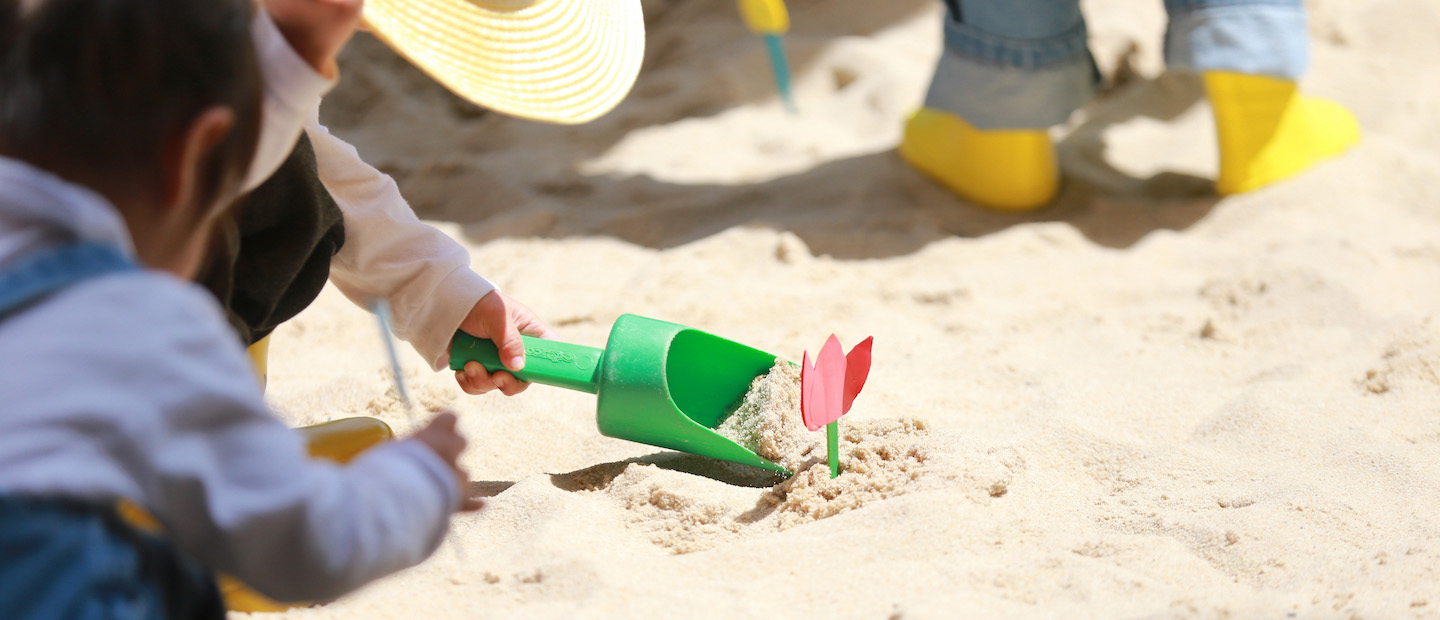
In the K3 Chinese lesson, the children explored the theme “Balls and Ball Games” through close observation and hands-on thinking. By examining, touching, and handling different kinds of balls, they noticed differences in shape, size, weight, and whether the balls needed air. With the teacher’s guidance, they then tried grouping the balls according to these features. As they compared and recorded their findings, the children learned simple ways to organize their observations and were introduced to the idea of using a reference point—for example, comparing each ball with a 100-gram weight to decide whether it was heavier or lighter than that standard. The lesson also used a small sand-table setup to help children compare how football and volleyball are played, before moving into a story discussion that raised a thoughtful question: Does every game have to be about winning? Through observing, handling materials, recording results, and sharing ideas, the children began to see that learning is not only about finding answers, but also about comparing, questioning, and building new understanding step by step.
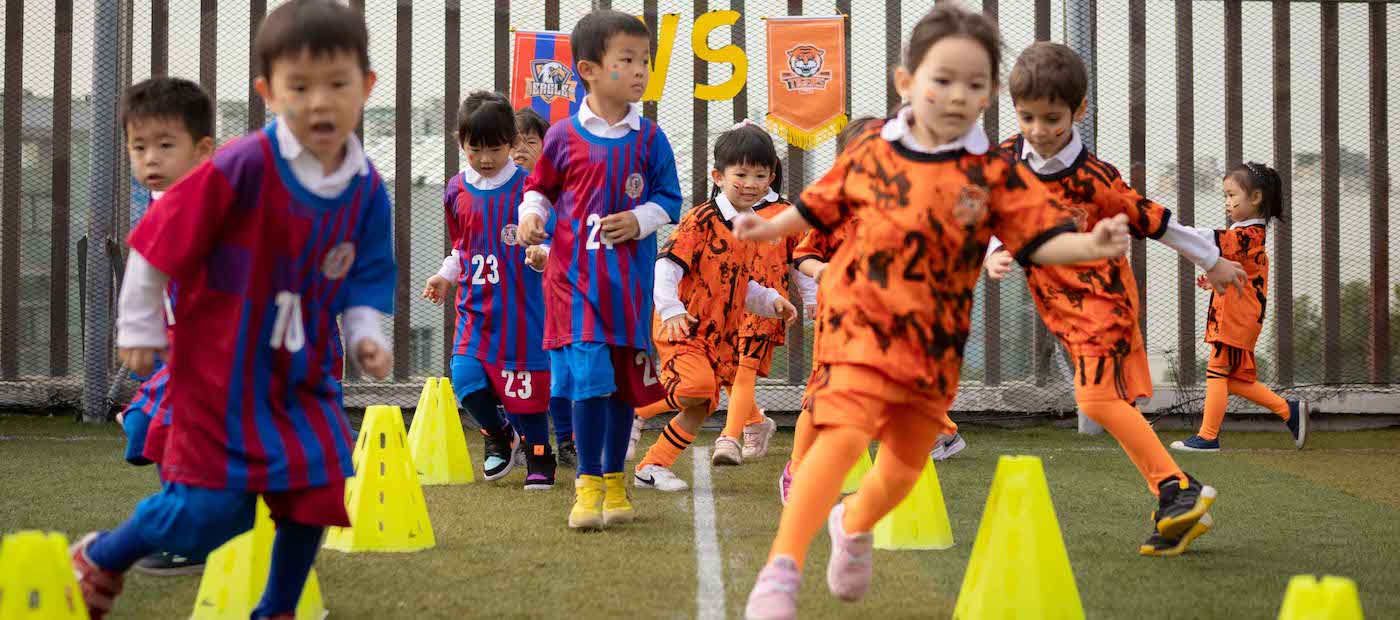
During the Parents Open Day, in addition to bilingual classroom experiences, the children invited their parents to join them in football-themed parent-child games. Together, they jumped forward through agility ladders, dribbled the ball around obstacles to reach the destination, and finally entered the bucket flip challenge zone. In this challenge, within a limited time, they not only had to sprint quickly and dodge effectively but also had to flip their team's buckets to show the top side while turning their opponents' buckets over to expose the bottom. This game not only showcased the children's foundational football skills but also demonstrated their agility, reaction speed, and overall physical fitness. It also brought our Parents Open Day event to a vibrant conclusion through an exhilarating session of parent-child sports games.
Prev:Loving Our Planet Through Hands-on Learning
Next:Inquiry and Exploration: A Record of K2 Movement Growth Week and Open Day